
2026-09-17 Selecting the right abutment is an important step in implant restorative workflows. Two commonly considered solutions are custom abutments and stock abutments. Although both connect an implant with the final restoration, they differ significantly in design flexibility, restorative workflow, emergenc
Read More 
2026-08-14 Clear retainers are transparent orthodontic appliances designed to maintain tooth alignment and reduce the risk of relapse after orthodontic treatment. This guide explains how a clear retainer works, common materials such as PETG and polyurethane, recommended wear schedules, clinical uses, lifespan, and daily care. It also compares clear retainers with Hawley and fixed retainers and explains how material thickness, fit accuracy, digital scanning, and patient habits affect long-term performance, helping patients and dental professionals make better retention decisions.
Read More 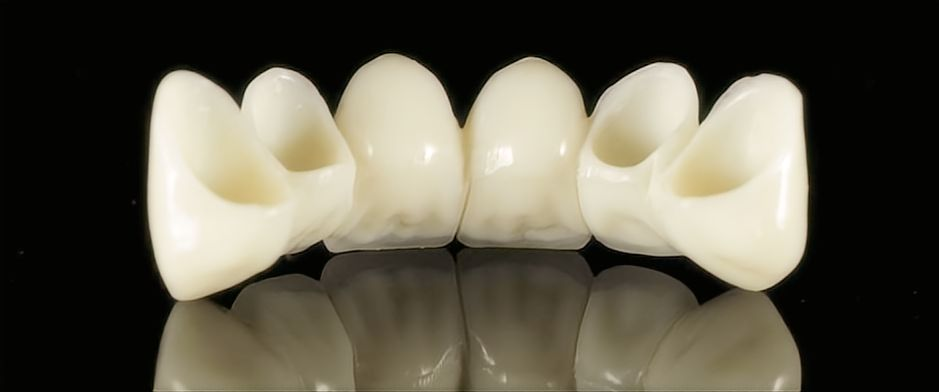
2026-08-14 An orthodontic expander is used to widen a narrow upper jaw, correct posterior crossbites, create space for crowded or impacted teeth, and support more stable orthodontic treatment. This guide explains the main types of orthodontic expanders, including rapid palatal expanders, slow expanders, removable appliances, MARPE, and SARPE. It also compares appliance selection by age, skeletal maturity, anchorage, activation method, and patient compliance, while covering treatment expectations, retention, oral hygiene, discomfort, and common appliance problems to help patients and clinicians better understand the expansion process.
Read More 
2026-08-14 A removable partial denture is a practical solution for replacing one or more missing teeth when implants or fixed bridges are unsuitable. This guide explains how removable partial dentures are designed, when they are recommended, and how cast metal, flexible, and acrylic options differ. It also covers retention, occlusion, patient adaptation, cleaning, common problems, cost, aesthetics, and long-term durability. By understanding these clinical and practical factors, patients and dental professionals can choose an RPD design that balances stability, comfort, appearance, oral health, and long-term restorative needs.
Read More 2026-08-14 Zirconia dental prosthetics combine high mechanical strength, biocompatibility, and natural esthetics, making them widely suited to modern restorative dentistry and implantology. This guide explains Y-TZP material properties, zirconia generations, monolithic and layered restorations, and zirconia dental implants. It also compares zirconia with titanium, PFM, and lithium disilicate while examining clinical benefits, manufacturing requirements, wear, aging, and bonding protocols. Understanding these factors helps clinicians select suitable zirconia restorations based on occlusal load, anatomical position, esthetic requirements, and long-term treatment goals.
Read More 


