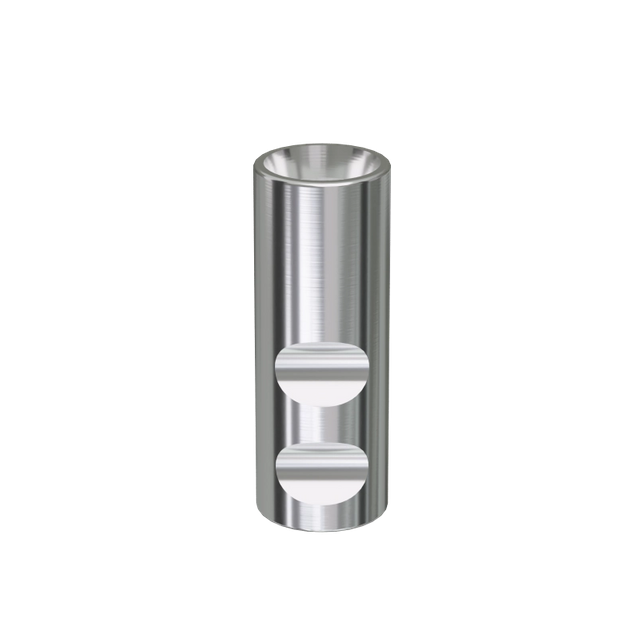
High-Precision Implant Analog Solutions for Dental Laboratories
Implant analogs are vital components in modern dental prosthetic workflows, ensuring accurate replication of implant positions within dental models. At Ketai (Guangzhou) Medical Equipment Co., Ltd., we specialize in precision-engineered dental implant components, including analogs designed for exceptional fit and reliability. With advanced CAD/CAM integration and micron-level machining accuracy, our analogs deliver consistent performance for dental laboratories and clinics worldwide. Each component is produced under strict quality standards to ensure full compatibility with leading implant systems.
Comprehensive Compatibility Across Major Implant Systems
Our analogs are compatible with major global implant systems such as Straumann, Nobel Biocare, Osstem, and Dentium. This broad compatibility allows dental technicians and clinicians to integrate Ketai analogs seamlessly into existing workflows. The result is a precise connection that mirrors the actual implant interface, ensuring reliable outcomes for diagnostic modeling, crown and bridge fabrication, and screw-retained restorations.
Precision Engineering and Material Excellence
Each analog is crafted from medical-grade titanium alloy, offering a high yield strength of approximately 860 MPa and excellent biocompatibility. Through advanced manufacturing processes, we achieve micron-level machining accuracy (±5 μm), ensuring precise replication of implant geometry. This precision supports optimal prosthetic fit, long-term durability, and improved workflow efficiency in dental labs.
Key benefits of our precision analogs include:
Exceptional dimensional accuracy for consistent prosthetic outcomes
High mechanical stability under repeated use
Reliable fit within both digital and conventional dental models
Enhanced workflow efficiency through consistent system integration
Types of Implant Analogs and Mounting Options
We offer a range of analog types to meet diverse clinical and laboratory requirements, including bone-level, tissue-level, and multi-unit analogs. Each type is engineered to match specific implant geometries and prosthetic applications, enabling precise replication of intraoral implant positions. The right analog type depends on the implant system and the intended restoration workflow.
| Implant Analog Type | Mounting Option | Recommended Application |
| Bone-Level Analog | Press-fit or screw-retained | Standard implant-level restorations |
| Tissue-Level Analog | Screw-retained | Soft-tissue supported prosthetics |
| Multi-Unit Analog | Screw-retained | Full-arch or multi-unit restorations |
Dental professionals can select the most suitable analog variant based on implant system compatibility and desired prosthetic outcomes.
Applications and Workflow Integration
Our analogs integrate smoothly into both traditional and digital prosthetic workflows. In digital dentistry, they work seamlessly with CAD/CAM systems, lab scanners, and digital design platforms to ensure precise model fabrication and restoration alignment. This consistency helps dental labs streamline production, reduce adjustment time, and enhance restoration precision.
For dental technicians, our analogs improve modeling accuracy and deliver predictable results across multiple implant systems. Clinicians benefit from reduced prosthetic misfits and improved patient outcomes, making these analogs a dependable choice for high-quality restorative work.
Why Choose Ketai Implant Analogs
As a professional manufacturer and OEM supplier, Ketai combines advanced R&D, precision machining, and digital integration to produce analogs that meet international quality expectations. Our OEM and ODM capabilities allow full customization to meet specific laboratory or clinical requirements. With an integrated production process that includes CAD/CAM design and high-precision manufacturing, we ensure consistent quality and fast delivery for global partners.
Advantages of choosing Ketai Implant Analogs:
Micron-level machining accuracy for perfect prosthetic fit
Medical-grade titanium alloy construction for strength and durability
Compatibility with major implant systems
OEM/ODM customization and flexible production support
Reliable supply and responsive customer service
Partner with Ketai to access a dependable source of precision dental lab components that enhance efficiency and accuracy in every stage of the prosthetic workflow.
Frequently Asked Questions About Implant Analogs
What is an implant analog and how is it used in dental labs?
An implant analog replicates the implant position in a dental model, allowing accurate prosthetic design and fabrication. Our analogs ensure precise alignment and compatibility with major implant systems.
Are Ketai implant analogs compatible with multiple implant systems?
Yes. Our analogs are designed for compatibility with leading systems such as Straumann, Nobel Biocare, Osstem, and Dentium, ensuring smooth integration into existing workflows.
What materials are used for Ketai implant analogs?
We use medical-grade titanium alloy, known for its strength, durability, and excellent biocompatibility, ensuring long-term reliability in dental applications.
Can Ketai provide customized implant analog designs?
Absolutely. We offer OEM and ODM customization based on client specifications, supporting unique laboratory and clinical requirements.
How do Ketai implant analogs support digital workflows?
Our analogs integrate seamlessly with CAD/CAM systems, lab scanners, and digital design platforms, ensuring precision and consistency in digital prosthetic fabrication.
For more information or to request a quote, contact Ketai (Guangzhou) Medical Equipment Co., Ltd.—your trusted manufacturer and supplier of high-precision Implant Analogs for dental laboratories and clinics.